What if buying real estate wasn’t just a financial decision…
but a decision about how you want to live?
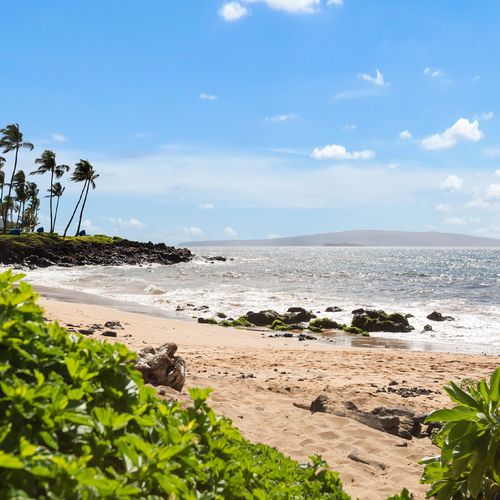
For many people, Maui starts as a place you visit. A vacation. A reset. A glimpse into a slower, more intentional way of living.
But at some point, the question shifts:
What would it look like to actually own a piece of this lifestyle?
Not just visit it…
but return to your place.
Create traditions.
Build memories.
Live differently.
Buying real estate on Maui isn’t like buying anywhere else.
And that’s exactly why people are drawn to it.
Start With Lifestyle, Not Property
Before diving into prices, areas, or property types, there’s one thing that matters most:
Make sure it’s what you really want.
Vacationing on Maui is very different than owning on Maui.
And owning on Maui is very different than owning anywhere else.
Living here is a whole different level.
There’s a saying:
“Everybody wants a boat… but nobody wants the maintenance.”
Owning property on Maui is similar.
You have to want everything that comes with it—the lifestyle, the responsibility, the pace, the environment.
And many people don’t fully understand that until after they buy.
That’s not something you want to figure out later.
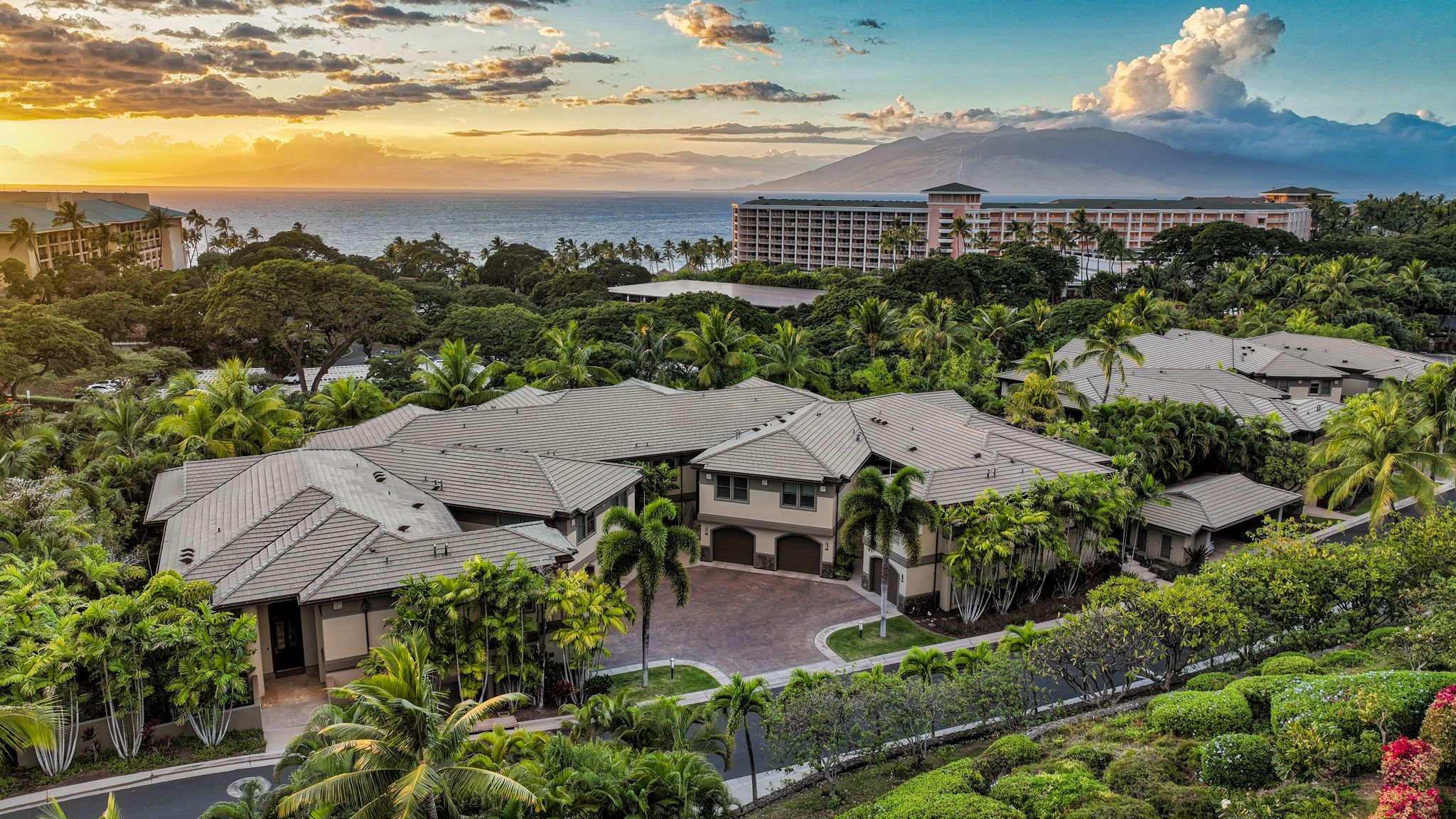
Whether you're looking for a second home, a vacation property, or a full-time move, the goal isn’t just to buy real estate.
It’s to create a life you actually want to live.
Understanding Maui (Without Overcomplicating It)
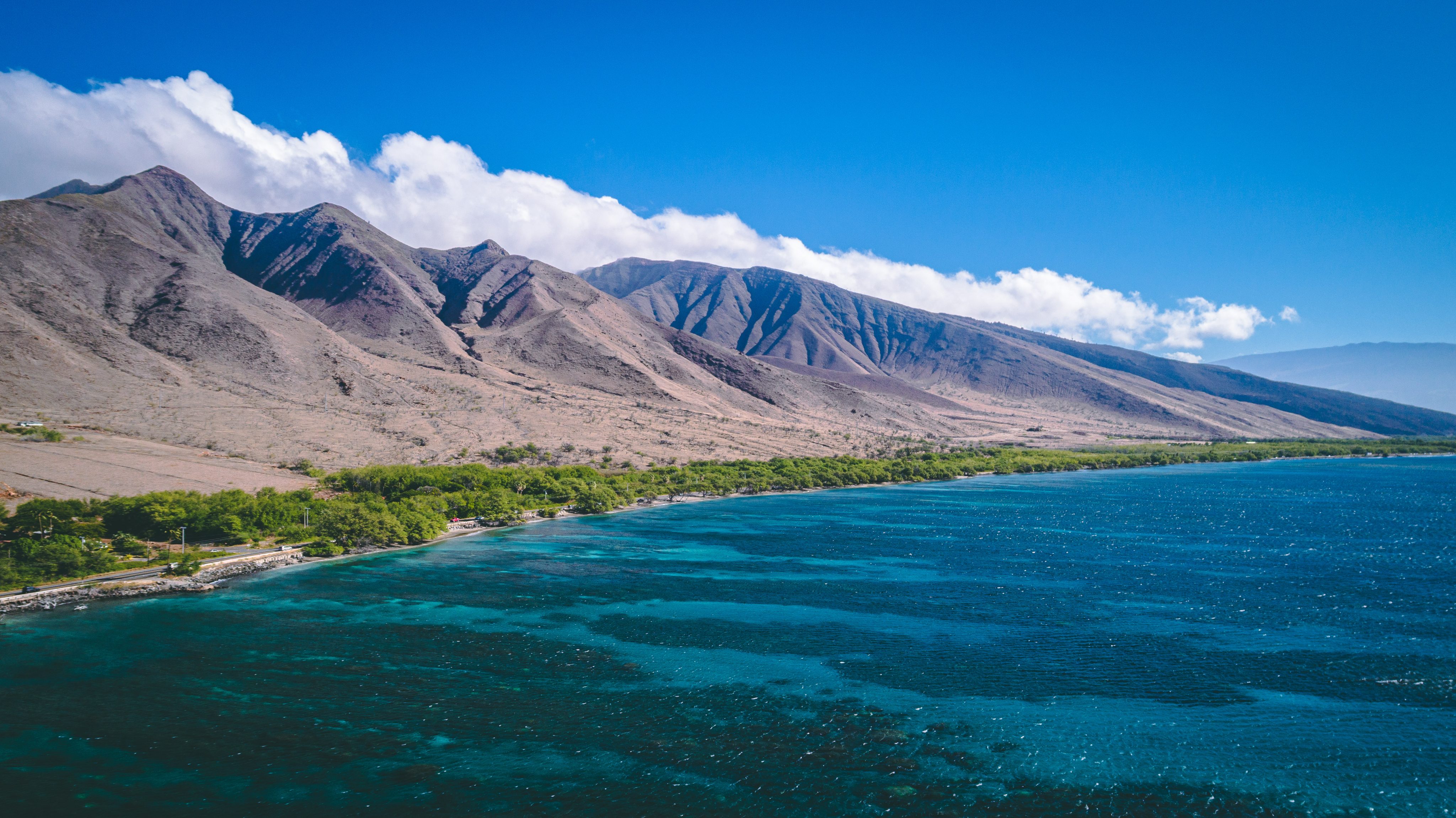
Maui is incredibly diverse, and each area offers a very different lifestyle.
At a high level:
South Maui (Kihei, Wailea, Makena)
Sunny, beach-focused, active.
Walkable beach access
Snorkeling, paddling, golf
Restaurants, shops, parks
Wailea/Makena provides ultimate luxury
Kihei is more local and accessible
👉 Best for: laid back living, second homes, active lifestyles
West Maui (Ka'anapali, Kapalua, Napili)
Resort-style living with dramatic scenery.
Golf, resorts, ocean views
From condos to ultra luxury homes
Strong vacation destination appeal
- Strong local vibe and pride
👉 Best for: resort lifestyle, part-time ownership, scenic living
Upcountry (Kula, Makawao)
Quiet, spacious, and cooler.
Larger lots
Agriculture and open space
Panoramic views
👉 Best for: privacy, slower pace, full-time living
North Shore (Paia, Haiku)
Creative, ocean-driven, less polished.
Surf culture
Lush landscapes
Tight-knit community
👉 Best for: alternative lifestyle, ocean energy, creativity
Central Maui (Kahului, Wailuku)
Functional, local, practical.
More affordable housing
Close to airport, schools, hospitals, services
👉 Best for: full-time residents, value-driven buyers
East Maui (Hana)
Remote, raw, deeply connected to nature.
👉 Best for: those seeking isolation, nature, and simplicity
Most second-home and lifestyle buyers gravitate toward South and West Maui, while full-time residents often live in Central Maui or Upcountry.
The key isn’t finding the “best” area.
It’s finding the one that aligns with how you want to live.
Condos vs Homes: Choosing the Right Fit
One of the biggest decisions buyers face is whether to purchase a condo or a home.
Condos
Condos are often the entry point for buyers—and for good reason.
They offer:
Lower maintenance (HOA handles exterior, landscaping, roof)
Easier ownership for part-time use
Lower price points compared to homes
Built-in amenities and community
But there are trade-offs:
HOA fees (which can be high and rising)
Less privacy
Shared walls and limited storage
Less control over decisions
Condos tend to work best for:
second-home owners
buyers who want simplicity
those not ready for full property responsibility
Homes
Homes offer more control and flexibility.
You get:
Space and privacy
Storage for boards, bikes, and gear
Parking and often a garage
More freedom in how you use the property
But with that comes:
Higher purchase price
Ongoing maintenance
More responsibility, especially off-island
Homes are typically better for:
full-time living
families
buyers wanting long-term control and flexibility
For many buyers, the decision comes down to how often you’ll be here and how hands-on you want to be.
Vacation Rentals: What You Need to Know (2026)
This is one of the most misunderstood aspects of buying on Maui.
Here’s the simple version:
If you want to vacation rent your property, buy a hotel-zoned condo.
That’s the safest path.
Residential homes are not allowed to be vacation rentals (with very limited grandfathered exceptions)
Some apartment-zoned condos have allowed short-term rentals in the past, but this is changing
With the passing of Bill 9 in December 2025, Maui is in the process of phasing out over 6,000 short-term rentals in apartment-zoned areas.
West Maui: phased out by January 1, 2029
Rest of Maui: phased out by January 1, 2031
Hotel-zoned properties are not affected
There are ongoing legal challenges, but the direction is clear:
Short-term rental options are becoming more limited, not less.
If rental income is important to you, this is a critical area to understand before purchasing.
The Real Cost of Owning on Maui
Maui is expensive. There’s no way around it.
But what often surprises buyers is how those costs show up over time.
What People Underestimate
HOA fees — many have increased significantly due to insurance and maintenance costs
Insurance — rising sharply, especially post-Lahaina fire
Electricity — up roughly 30–35% since 2020
Maintenance — higher due to sun, salt air, and island conditions
Contractors — difficult to find, often expensive
And it’s not just the home.
Living near the ocean impacts everything:
Paint wears faster
Metal corrodes
Rubber and plastics break down
Cars take a beating (especially luxury vehicles)
Then there are everyday costs:
Groceries are high (many locals rely on Costco, Target, Safeway, and farmers markets)
Vehicle registration and maintenance can be expensive
This isn’t meant to discourage.
It’s simply part of the tradeoff.
Because while the cost of living is higher…
Most of the best parts of life here are free.
The beach.
The ocean.
Surfing.
Snorkeling.
Hiking.
Time together.
The Buying Process Is Different
Buying property on Maui comes with a few unique differences:
Property types like leasehold, CPRs, and condotels
Additional disclosures (flood zones, sea level rise, etc.)
Multiple signature steps for contingencies
Many buyers purchase remotely, with agents coordinating inspections via FaceTime
One notable difference:
Closing happens a few days after signing.
Documents are typically sent to Oahu after signing, so closing usually occurs 3 business days later.
Hawaii is also in the process of transitioning away from its older Land Court system toward a more streamlined recording process, which will eventually reduce delays.
The key takeaway:
You want someone guiding you who understands these nuances.
Common Mistakes Buyers Make
There are a few patterns that come up often:
Not working with a knowledgeable local agent
Maui is nuanced. You want someone who understands zoning, rentals, construction, and lifestyle differences—not just someone who opened a door at an open house.
Buying for the wrong reason
Maui is not typically a high cash-flow market. If you're chasing CAP rates, there are better places to invest.
This is a lifestyle purchase first.
Choosing the wrong area
Each part of the island feels completely different. Getting this wrong can be an expensive mistake.
Overextending financially
Especially with vacation rentals, you need to be able to carry the property without rental income for periods of time.
Events like COVID, storms, or fires can disrupt income unexpectedly.
A good rule of thumb:
Be able to cover at least 6 months of ownership costs.
Ownership Comes With Responsibility
Owning on Maui is incredible.
But it’s not passive.
Oceanfront homes require constant upkeep.
Storms, salt air, and sun all take a toll.
Insurance and environmental factors play a role.
Different areas have different levels of impact, but it’s something every owner experiences.
This isn’t a negative.
It’s just part of what comes with living in one of the most beautiful places in the world.
Buying on Maui Is About Writing Your Story
For most of our clients, this isn’t just about owning property.
It’s about what that property creates.
We’ve seen families buy a condo and return year after year—graduations, weddings, grandchildren—all tied to that one place.
We’ve seen clients use their property to travel the world, returning to Maui between guests.
We’ve seen families raise their kids here, building a life rooted in community and connection.
And we’ve seen people close out one chapter on Maui and move on, taking those memories with them.
For us personally, when we bought our home, it changed everything.
It became our place.
Our routines.
Our memories.
That’s when the lifestyle really took shape.
Because in the end:
Buying on Maui isn’t just about real estate.
It’s about creating something meaningful.
Final Thought
If you’re considering buying on Maui, take your time.
Get clear on what you want.
Understand what comes with it.
Ask questions.
And if you decide it’s right for you…
It can be one of the most rewarding decisions you’ll ever make.
Because the real value isn’t just the property.
It’s the life you build around it.
Check out this article next